

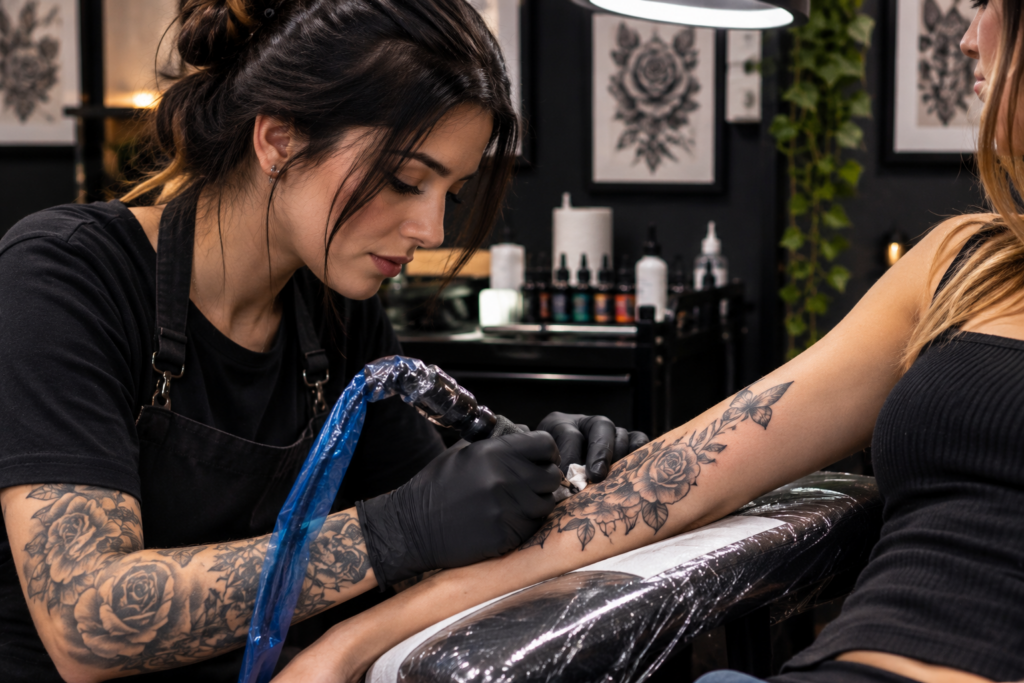
If you’re planning a tattoo and dreading the pain more than the design itself, the good news is that discomfort is no longer something you just have to sit through. Between smarter preparation, better aftercare, and genuinely effective numbing products, you can walk into your session knowing exactly what to expect and how to keep it manageable from start to finish.
This guide walks you through what actually causes tattoo pain, which body areas hurt the most, and the practical steps including numbing cream that make a real difference.
Why Getting a Tattoo Hurts in the First Place
A tattoo machine punctures your skin thousands of times a minute, driving ink into the dermis. Your nerve endings register that as pain, and how much pain depends on a few things:
- Skin thickness: Thinner skin over bone hurts more
- Nerve density: Some areas simply have more nerve endings packed in
- Session length: Pain tends to build the longer you’re under the needle
- Your pain tolerance and stress levels on the day
None of these are fixed. You can influence almost all of them with the right prep.
The Most (and Least) Painful Spots on Your Body
If you’re choosing placement partly based on pain, this table gives you a quick reference:
| Pain Level | Common Areas | Why |
|---|---|---|
| High | Ribs, spine, sternum, armpit, elbow/knee | Thin skin, close to bone or major nerves |
| Medium | Ankle, hands, feet, head/neck | Bony, sensitive, less padding |
| Lower | Outer arm, thigh, calf, shoulder | More muscle and fat to cushion the needle |
If you’re set on a higher-pain area, that’s exactly where numbing preparation earns its keep.
Preparing Your Body Before the Session
A surprising amount of tattoo pain comes down to how your body shows up on the day, not just the needle itself.
In the 24–48 hours before your appointment:
- Sleep properly: a tired body handles pain worse
- Eat a full meal beforehand and bring snacks for longer sessions
- Stay hydrated: dehydrated skin is more sensitive
- Skip alcohol the night before, and check with a pharmacist before taking any painkillers
- Avoid sunburned or irritated skin at the tattoo site
These steps won’t eliminate discomfort on their own, but they stack with everything else below.
Adding a Numbing Product to Your Prep
Many people add a topical numbing product to their tattoo preparation. These products are applied to unbroken skin before the session to help temporarily reduce sensation. Always check the packaging for ingredients, directions and warnings before use.
Results vary from person to person, and no numbing product can guarantee a pain-free session. Follow the supplied directions and tell your artist before your appointment.
General application steps (always follow your product’s own directions):
- Clean and exfoliate the area with warm water and mild soap
- Apply a thick, even layer (2–3mm) without rubbing it in completely
- Cover with cling film if your product directions say to
- Leave on for the time stated in your product directions before wiping clean
For long sessions such as full sleeves, back pieces or rib work, you may prefer a deep-numbing option. Yellow TKTX Numbing Cream is our deep-numbing option for longer tattoo sessions. Check its product page and packaging for timings and directions.
Managing Pain Mid-Session, Not Just Before It
Pre-numbing gets you through the first stretch, but numbing cream naturally wears off over a long sitting, and most people underestimate how much a top-up mid-session can help on a multi-hour appointment.
This is where a spray or lighter secondary cream comes in useful, since you can reapply to areas that have already been worked on without disrupting fresh ink. Having both a cream and a spray on hand means you’re covered at the start and partway through, rather than relying on one application to last the whole session.
A combo set, cream for the initial application, spray for touch-ups, is the simplest way to manage this without carrying multiple separate products. The No Tears Combo Set is built around exactly this two-stage approach: numb before you start, then top up as the session runs long.
Other In-Session Coping Strategies
Numbing cream does the heavy lifting, but these habits help too:
- Breathe deliberately: slow, controlled breathing genuinely lowers perceived pain
- Talk to your artist: ask for short breaks if you need them
- Bring headphones: music or a podcast shifts your focus away from the sensation
- Avoid tensing up: tight muscles make the needle feel sharper; try to relax into the chair
Aftercare Also Affects How Much It “Hurts”
Pain doesn’t stop when the machine does. Poor aftercare, picking at scabs, sun exposure, harsh soaps, extends discomfort well past the session itself. Keep the area clean, moisturised with a fragrance-free product, and out of direct sunlight for at least two weeks to avoid unnecessary irritation on top of normal healing.
Choosing a Genuine Numbing Cream in the UK
Not every numbing cream sold online is what it claims to be, and using an unverified or overly strong product on your skin carries real risk. When buying in the UK:
- Check that the packaging clearly lists its ingredients, directions and warnings
- Be cautious of products sold without clear labelling or without a UK seller you can contact
- Check for a hologram or batch verification system so you can confirm authenticity before applying it to your skin
- Always patch test 24 hours before your appointment if it’s your first time using a numbing product
Frequently Asked Questions
Does numbing cream actually work for tattoos?
Many people find a numbing product helps them feel more comfortable, but results vary and no product can guarantee a pain-free session. Follow the supplied directions and speak to your artist first.
How long before my appointment should I apply numbing cream?
Most creams need 35–45 minutes under cling film to take full effect. Applying too early or without covering the area reduces how well it absorbs.
Will numbing cream affect how my tattoo heals?
No, when used as directed. Numbing cream affects nerve sensation, not the skin’s ability to hold ink or heal afterward.
Can I reapply numbing cream partway through a long session?
Yes, and for sessions over a couple of hours it’s genuinely useful — a lighter cream or spray applied to already-worked areas can extend your comfort without interfering with fresh tattooing.
Is a stronger numbing cream always better?
Not necessarily. Stronger creams suit longer, deeper sessions on sensitive spots, but for shorter or smaller tattoos a milder formula is often enough and reduces any risk of skin sensitivity.
